

Rating of
3/4
If life had legs, it'll kick the shit out of you
Matthew Brady - wrote on 11/13/26
We all have tough, stressful days when everything around us feels chaotic, things go wrong, and we feel out of control, with people around us becoming irritating and inconsiderate. But what we often don’t realise or take for granted is that we have the opportunity to take time for ourselves, whether during a timeout or after we get home, to cool down, recharge, and move forward. Imagine if we don’t — it’s just an endless hell with no escape, where we never get a moment to cool down, and things don’t improve. That’s the overall familiar experience of this film—just a stressful nightmare of a movie, where this poor woman is driven to insanity by life and people.
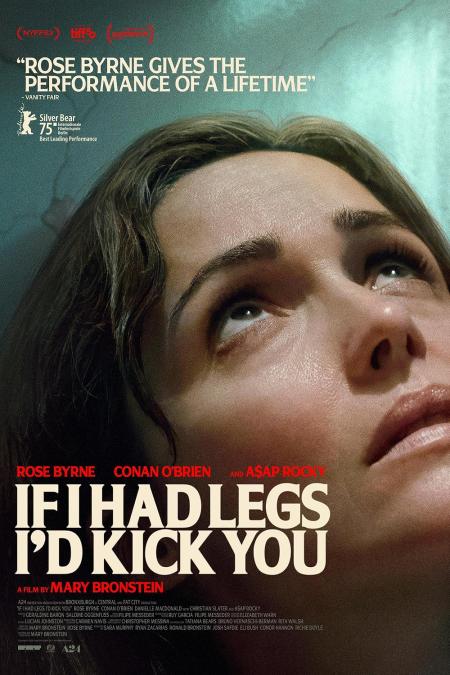
In the film, we follow Linda (Rose Byrne), a therapist whose life is slowly falling apart. Her daughter is ill, and her husband (Christian Slater) is often away on work trips. The bedroom ceiling collapses, flooding the house and forcing her and her daughter to stay in a rundown motel. Even the motel staff are unreasonably rude to her. Amid all this chaos, she has a tense relationship with her own therapist (Conan O'Brien), and as if things weren't bad enough, one of her clients goes missing, leaving their baby in her care.
People often compare this to the stressful movie Uncut Gems, starring Adam Sandler, but in that film, the main character makes terrible choices that only worsen his situation. In contrast, here, the character makes the most sensible decisions, only to have them repeatedly rejected.
This movie and Die, My Love would make an interesting double feature. Two women are driven to insanity, while their male partners are the most useless people ever.
Rose Byrne's performance is outstanding, especially given the emotional and mental challenges of her role. As the film progresses, her appearance gradually declines, and you can sense her frustration as nothing seems to break through. It’s like she’s talking to a brick wall. Still, Byrne effectively maintains her character’s composure, even though it’s clear that her inner chaos is building toward a breaking point. It’s like a ticking time bomb, and just like in a Hitchcock film, we, the audience, expect her to finally burst emotionally. It’s a raw and compelling performance. I try not to overstate awards today, but in this case, she gives an Oscar-worthy performance. I hope the Academy recognises her.
Also, a special shoutout to comedian and talk show host Conan O'Brien, who impressed me with his serious role, a complete departure from his usual goofy comedy sketches and personality. He portrays a cold, stiff-lipped, dismissive man who is supposed to be Byrne’s therapist but offers no real help to her. He plays the part a little too convincingly. He was fantastic.
One of the most intriguing aspects of the film that made me think more about its connection to our lives is the creative choice not to show her sick daughter on screen. We hear her talking off-screen, and we know she’s there, but we don’t see her face until the very end. Many might find this confusing, but my view is that Linda is constantly battling everything happening around her, as well as caring for her sick child—something that is a nightmare for any parent. We, the audience, understand this very well because she’s the main character, and we follow her descent into madness. However, everyone around her doesn’t see what she’s experiencing or her sick child. Even those who are aware of her situation only have a broad, surface-level understanding of what she’s going through. The same applies to the husband's character: since he’s away on a business trip, he doesn’t fully grasp what’s happening with his wife. While Christian Slater eventually makes a physical appearance toward the end, he is only heard in phone calls when he calls her, always dismissing her problems and feelings, and speaking in a snappy tone because he is also having a hard time working and being away. Still, when he says this, we hear in the background that he’s at a stadium watching the game during his break, and he completely undermines her concerns by comparing them to his own. ‘I have it harder than you,’ bullshit he throws at her, but he’s not there, so how does he know? So, not showing the daughter emphasises that everyone is going through something in their lives that we don't know about, and we should be more mindful of that. Therefore, if you notice someone who seems quiet, tired, sad, annoyed, stressed, or makes more mistakes than usual, it’s best not to judge or be cruel because you have no idea what they're going through. They might be at their breaking point. You never know. It should be common sense, but sadly, some people don’t get that memo.
It’s a tough watch because it’s pretty depressing and demanding, but it’s an engaging film that delivers its message effectively, with powerful performances throughout.
The main takeaway I got from it all: be kind.

